
Collagen Induction Therapy: A Comprehensive Guide to Benefits, Safety, and Realistic Results
The desire for smoother, brighter, and healthier skin—without surgery—has made Collagen Induction Therapy (CIT) a standout choice for people seeking a confident, refreshed appearance. Whether your concerns are fine lines, acne scars, dullness, or you’re simply looking to boost your skin’s vitality and firmness, understanding Collagen Induction Therapy before booking is essential. This comprehensive guide will walk you through what CIT is, how it works, benefits and realistic results, risks, preparation, aftercare, and what sets a trustworthy spa apart. If you’re in Chicago, Illinois, or any urban area, making informed choices can put your skin (and peace of mind) in the safest hands.
Why Collagen Induction Therapy Matters
How Skin, Confidence, and Self-Care Are Connected
Our skin is often the first to show signs of aging, environmental stress, or health changes. Looking in the mirror and seeing acne scars, fine lines, or pigmentation can impact your confidence. Self-care rituals—like skin treatments—are about more than appearance. They support mental well-being and promote healthy self-esteem. Many in Chicago, Illinois have embraced skin treatments not just for aesthetic renewal, but for the way they help you feel about yourself.
Problems Collagen Induction Therapy Addresses
- Fine lines and wrinkles
- Acne scars and uneven skin texture
- Large pores
- Stretch marks (body)
- Mild skin laxity
- Hyperpigmentation or sun damage
- Overall dullness and vitality loss
Collagen Induction Therapy is also used to enhance the effects of topical ingredients, making it a popular choice for those seeking natural-looking skin rejuvenation. For those unsure if CIT is their best option, exploring comparisons in comprehensive guides can be helpful.
What Collagen Induction Therapy Is and How It Works
Basic Mechanism: The Science Behind the Treatment
Collagen Induction Therapy—also known as microneedling—uses fine, sterile needles to create controlled micro-injuries in the superficial layer of the skin. These tiny punctures stimulate your body’s natural repair process. As part of healing, cells increase collagen and elastin production. Collagen (the main support protein in skin) and elastin (which gives skin ‘snap back’) are vital for smooth, firm skin.
Eventually, as the skin heals, texture, tone, and firmness improve. According to clinical reviews, CIT offers a proven path to real skin rejuvenation, especially when performed by trained professionals.
Types and Variations of Collagen Induction Therapy
- Standard Microneedling: Traditional pen or roller devices for face and body.
- Depth Variations: Shallower depths for brightening, deeper for scars or stretch marks.
- Combination Therapies: CIT with platelet-rich plasma (PRP facial), radiofrequency energy, or chemical peels.
- Nano-Needling: Ultra-fine nano-tips for superficial treatments or prepping the skin for active ingredients.
Comparing Collagen Induction with Other Spa/Aesthetic Options
| Treatment | Main Goal | Downtime | Typical Sensations | Sessions Needed |
|---|---|---|---|---|
| Microneedling (CIT) | Collagen, scars, texture | 1–4 days redness | Tingling, mild prickling | 3–6 (monthly) |
| Chemical Peel | Surface renewal, pigment | 2–5 days peeling | Stinging, tightness | 1–4 (mult. weeks apart) |
| PRP Facial | Glow, healing, collagen | 1–3 days (CIT redness) | Similar to CIT | 3–6 |
| Body Contouring | Fat reduction, shape | None to mild | Cool, heat, tingling | 4–8 (weekly/biweekly) |
For more details about advanced techniques, visit fractional RF microneedling treatments.
Benefits, Limitations, and Realistic Expectations
Benefits You May Notice
- Smoother, firmer skin texture
- Reduction in fine lines, wrinkles, or acne scars
- Brighter tone and decreased hyperpigmentation
- Improved absorption of skincare products
- Natural, gradual improvement—no “overdone” looks
Results accumulate over time, with most clients reporting visible change after 3–4 sessions. Consistency is key—one session is rarely enough for dramatic change, especially with deeper concerns. For further insights, read about long-term results with microneedling.
What Collagen Induction Therapy Cannot Do
- Eliminate deep folds or sagging that require surgery
- Replace fillers or neuromodulators for volume/wrinkles
- Instantly erase scars or pigment in a single session
- Cure medical skin conditions (like severe eczema or psoriasis)
When in doubt, discuss your goals with your provider or consult a dermatologist for medical guidance.
How Many Sessions? When Will I See Results?
- For best results, most need 3–6 treatments spaced 4–6 weeks apart for the face.
- Deeper scars or stretch marks may require additional sessions.
- Initial redness or swelling subsides in 1–3 days; full glow develops over 2–4 weeks.
- Maintenance sessions every 6–12 months sustain improvements.
Every individual’s skin heals and responds uniquely, so results will vary according to age, skin type, and lifestyle. See more in aesthetic improvement with microneedling.
Risks, Safety, and Who Should Avoid It
Common and Mild Side Effects vs Warning Signs
- Redness (sunburn-like), mild swelling—1–4 days
- Sensitive skin, dryness, mild flaking (brief)
- Pinpoint bleeding (rare, resolves quickly)
Warning signs (STOP and report to provider):
- Painful swelling or pus (may signal infection)
- Prolonged bleeding or bruising
- Allergic reaction (severe redness, hives)
Unlike harsh chemical or ablative procedures, CIT is generally well-tolerated when performed under safe, sterile conditions. According to a clinical review in The PMFA Journal, strict technique and aftercare reduce complication risks.
Contraindications: Who Should Wait or Avoid?
- Active acne, herpes outbreaks, or skin infections
- Keloid or poor wound healing history
- Recent isotretinoin (Accutane) use (within 6–12 months)
- Uncontrolled diabetes or bleeding disorders
- Pregnancy and breastfeeding (precautionary)
If you have ongoing medical conditions or are taking prescription medications, always check with your healthcare provider before any aesthetic treatment.
Why Choosing a Qualified, Licensed Provider Matters
- Proper assessment for candidacy
- Adherence to hygiene and safety standards
- Precise technique to avoid scarring or infection
- Personalized aftercare guidance
In Chicago, Illinois and other major cities, it’s essential to seek treatment from professionals trained in medical-grade protocols. Not all spas use the same quality controls—always ask to see credentials, especially for advanced procedures.
Preparation and Aftercare for Collagen Induction Therapy
How to Prepare Before Your Appointment
- Discontinue retinol, exfoliants, and hair removal (waxing, laser) on the target area 5–7 days before.
- Avoid sunburn, tanning, or irritation prior to your session.
- Arrive with clean, makeup-free skin.
- Discuss any recent cosmetic procedures, medications, or skin sensitivities with your provider.
Following your spa’s unique pre-care recommendations can minimize risks and optimize outcomes.
Immediate Aftercare: Dos and Don’ts
- Keep skin clean and avoid touching for the first 12 hours.
- Apply gentle, hydrating, non-comedogenic moisturizers as advised.
- Avoid direct sun, sweating, strenuous exercise, swimming, and makeup for 24–48 hours.
- Do not pick, scrub, or exfoliate any peeling areas.
- Apply SPF 30+ even indoors for at least 1 week post-treatment.
Your provider will share detailed aftercare instructions—these are vital to achieving safe, effective healing. For more tailored guidance read post-microneedling care tips.
Long-Term Habits to Maintain Results
- Consistent use of sunscreen and antioxidants (Vitamin C serums, etc.)
- Monthly or bimonthly facials to support ongoing skin health
- Avoiding smoking, excessive alcohol, and stress
- Gentle skincare: avoid harsh scrubs or overuse of actives
Skin health is cumulative—what you do each day matters just as much as periodic professional treatments.
Frequently Asked Questions (FAQ)
What is the difference between microneedling and Collagen Induction Therapy?
They are essentially the same. Collagen Induction Therapy is the technical term for microneedling, focusing on its goal—collagen stimulation. Both involve creating micro-channels in the skin to trigger renewal.
How often should you get a facial or Collagen Induction Therapy?
Facials can be done monthly for maintenance, while CIT is best done every 4–6 weeks, depending on your goals and your provider’s assessment.
What is a PRP facial and how does it differ from traditional microneedling?
PRP facials combine microneedling with platelet-rich plasma from your own blood, intended to speed healing and boost results. Traditional CIT relies solely on micro-injury to stimulate natural repair. For more, compare PRP vs traditional CIT.
Does Collagen Induction Therapy help with body contouring or fat reduction?
No—CIT is for skin quality (texture, scars, fine lines), not fat loss. For fat pockets, body contouring treatments or medical weight management may be recommended.
Is CIT painful? What does it feel like?
Mild discomfort or tingling, often described as light scratching or prickling. Most professionals use numbing cream for comfort. Sensations subside quickly after the session.
Can I combine CIT with chemical peels or other facial treatments?
Many clients use both (in alternating sessions or as a combo plan). Combining chemical peels and CIT should be done only under professional guidance.
What are the main non-surgical skin tightening options?
Radiofrequency microneedling, ultrasound (Ultherapy), and some laser treatments target mild laxity but require personalized assessment. CIT offers mild firming; for deeper tightening, explore additional modalities.
How should I care for my skin after microneedling?
Hydrate, use gentle products, apply SPF, and avoid makeup/sweat for 1–2 days. Never pick at the skin post-procedure. See full aftercare guide.
Is Collagen Induction Therapy safe for all skin types and tones?
CIT can be used on all skin types and tones, but depth and frequency should be tailored by an experienced provider. Always disclose any history of pigmentation issues.
How do I choose the best provider for these treatments?
Seek licensed, trained practitioners who personalize treatment plans, prioritize hygiene, and answer all your questions. Inquire about their experience, tools, and products. Schedule a consultation before starting any protocol.
Wrap-Up: Is Collagen Induction Therapy Right for You?
Collagen Induction Therapy can transform the health and appearance of your skin when approached with knowledge and realistic expectations. This guide aimed to clarify the process, safety considerations, and what you can achieve with consistency. Ready to discuss your own journey to brighter, firmer skin? Schedule your microneedling consultation with a licensed expert, or plan a full facial rejuvenation routine tailored to your goals.
About Elite Chicago Facials
Elite Chicago Facials is a professional spa and aesthetic practice helping clients in Chicago, Illinois and surrounding areas improve their skin health and confidence with customized facials, advanced skin treatments, body contouring and non-surgical aesthetic procedures. Our licensed providers offer years of expertise in facials, chemical peels, microneedling, PRP, injectables, and wellness therapies, ensuring safety, clean protocols, and natural-looking results for every guest.
For personalized care and a relaxing, professional environment, trust your skin with Elite Chicago Facials.
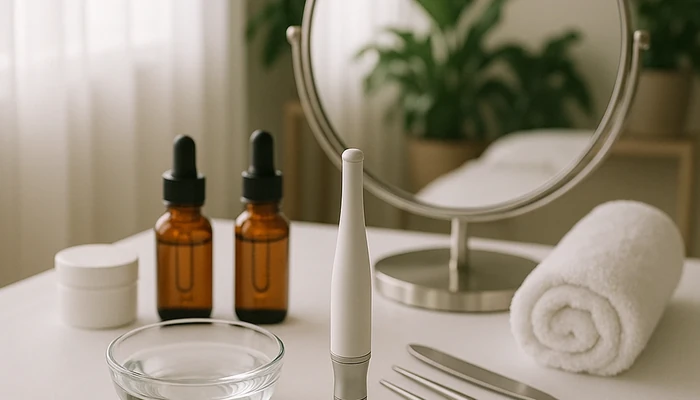
best day spa in Chicago, The best microneedling Chicago, best facial in chicago, microneedling facial, chicago microneedling, skin rejuvenation microneedling Aurora, microneedling facial Joliet, microneedling facial Streamwood, microneedling Waukegan, collagen microneedling Tinley Park