
Post-Peel Care Guide for Sensitive Skin: Everything You Need to Know
Whether you’re struggling with persistent acne, uneven texture, signs of aging, or persistent pigmentation, chemical peels can offer dramatic improvement to your skin’s look and feel. But for those with sensitive skin, professional skin treatments can also bring up concerns about irritation, extended downtime, and how best to protect delicate skin during the healing phase. This comprehensive Post-Peel Care Guide for Sensitive Skin will equip you with expert insights—so you can understand how peels work, what to expect, steps to take before and after your appointment, and how to maintain the healthiest possible results. Thoughtful guidance, grounded in science and hands-on experience, is central to Elite Chicago Facials’ philosophy as they help clients in Chicago, Illinois and beyond enhance their confidence with careful, customized care.
Why Post-Peel Care Matters for Sensitive Skin
How Skin Health and Self-Care Are Interconnected
Healthy skin isn’t just about appearance. Your skin is your body’s largest organ, reflecting both internal and external well-being. Treatments like chemical peels and facials support not only your skin’s radiance but also your sense of self-care and confidence. Many people with sensitive skin want visible improvement without triggering flare-ups. Responsible aftercare is essential in achieving this balance.
Common Skin Concerns Addressed by Peels, Facials, and Non-Surgical Treatments
- Persistent acne or breakouts
- Uneven skin tone and texture
- Early signs of aging, such as fine lines
- Post-inflammatory hyperpigmentation
- Enlarged pores or dullness
- Stubborn fat pockets (addressed via body contouring procedures)
- Overall loss of radiance
These concerns often lead people to seek professional spa solutions, highlighting the role of well-tailored aftercare in maximizing results.
For an in-depth look at how facial treatments deliver lasting radiance, visit our guide on facial treatment benefits.
What Is a Chemical Peel and How Does it Work?
The Basics: What Happens During a Chemical Peel?
A chemical peel is a controlled skin-resurfacing procedure where a medical-grade chemical solution is applied to remove the outermost skin layers. This exfoliation reveals new, healthier skin beneath, leading to a smoother, brighter appearance. Peels range in intensity from gentle (superficial) to more corrective (medium or deep), and are usually customized to suit skin type—especially for sensitive clients.
Types of Peels and Variations for Sensitive Skin
- Superficial Peels (AHA/BHA): Light acids (like glycolic, lactic or salicylic) target mild concerns with little downtime. Ideal for sensitive skin when customized.
- Medium Peels (TCA, Jessner): Penetrate deeper for pronounced texture or pigmentation issues. Require more intensive aftercare.
- Advanced Protocols: Peptides, enzymes or newer technology provide gentle renewal for very reactive complexions.
Chemical Peels, Facials, and Non-Surgical Options Compared
| Treatment | Depth/Target | Downtime | Main Benefits | Ideal Candidates |
|---|---|---|---|---|
| Chemical Peel (Superficial) |
Outer skin layer | 0–2 days | Glow, texture, pigment | Mild concerns, sensitive skin |
| Chemical Peel (Medium) |
Mid-epidermis | 3–7 days | Deep pigment, lines | Sun damage, stubborn pigment |
| Facial (Hydration or Antioxidant) | Surface cleansing/treatment | None | Hydration, smoothness | All skin types |
| Body Contouring | Fat layer (non-invasive) | 1–2 days minor | Fat reduction, shaping | Stubborn body fat |
For further explanations on gentle exfoliation and skin prep, review The Exfoliation Guide.
Benefits, Limitations and Realistic Expectations
What to Expect From a Properly Planned Treatment
- Smoother, more even skin texture and tone
- Reduction in visible pores and minor blemishes
- Improved radiance and clarity
- Gradual softening of fine lines
- Mild fading of dark spots or post-acne marks
- Boosted hydration when paired with nourishing facials
What Chemical Peels Cannot Do (and When to Consider Other Options)
- Do not address deep wrinkles or advanced sagging (non-surgical skin tightening or injectables may be needed)
- Cannot guarantee results after a single session—progress is cumulative
- Not a replacement for medical management of severe acne or active skin diseases
Number of Sessions Needed and When to See Results
Most sensitive skin clients see visible improvement after 1–3 sessions of a gentle chemical peel when paired with a personalized at-home routine. Results may be gradual, especially for deeper pigmentation or texture concerns. Your provider will guide you on optimal spacing based on your skin’s response and goals.
If you’re curious about other ways to refresh your complexion, our glow facial prep guide details essential preparation tips.
Risks, Safety and Who Should Avoid Chemical Peels
Common Side Effects vs. Warning Signs
- Expected: Mild redness, tightness, light flaking, or dryness
- Rare but Serious: Severe swelling, blistering, burning pain, or signs of infection—contact your provider immediately
Contraindications: When to Wait or Choose an Alternative
- Open wounds or active infections
- Recent sunburn or excessive sun exposure
- Known allergy to chemical ingredients used
- Recent use of isotretinoin or intense topical retinoids
- Pregnancy (many peels not advisable—consult with a provider)
The Importance of a Qualified Provider
Peels should be performed by licensed, experienced professionals who understand sensitive skin and use medical-grade products. Choosing the right provider is the first step to safety and great results. According to the American Med Spa Association, qualified practitioners follow strict protocols to minimize complications and customize treatments for safety—especially crucial for sensitive skin.
Preparation and Aftercare for Sensitive Skin
How to Prepare Before Your Appointment
- Discontinue retinoids, exfoliants or harsh scrubs for 5–7 days before treatment
- Avoid tanning, waxing or threading in the treatment area for at least one week
- Inform your provider about any new medications or allergies
- Arrive with clean skin, free from makeup and heavy products
- Stay hydrated and avoid alcohol the night before
Immediate Aftercare and What to Avoid
- Avoid touching or picking at flaking skin
- No heavy makeup, exfoliation or steam for at least 48 hours
- Use only gentle, unscented cleansers for 3–7 days
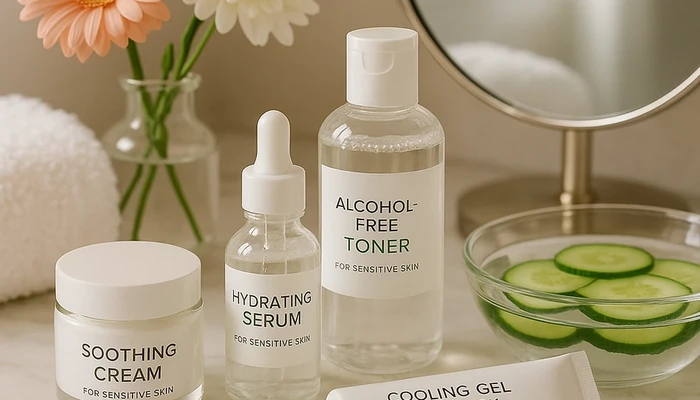
- Apply fragrance-free moisturizer regularly to minimize dryness
- Strictly avoid sun exposure; wear broad spectrum SPF daily
- Hold off on strenuous exercise, saunas or swimming pools for 48 hours
Your aesthetic provider will recommend specific products for your skin type. For trusted options, see our recommended products after a peel.
Long-Term Habits to Maintain Results
- Continue gentle cleansing and moisturizing
- Incorporate antioxidants and hydrating serums
- Avoid tanning beds and always use SPF
- Schedule maintenance facials and review your regimen seasonally
- Consult your provider before resuming retinoids or active ingredients
Learn more about seasonal skin care with our seasonal care guide for Chicago weather.
Frequently Asked Questions (FAQ) on Post-Peel Care for Sensitive Skin
What should I do in the first 24 hours after a chemical peel?
Stick to gentle cleansing, hydrate frequently, and avoid makeup or sun exposure. Don’t pick or rub your skin as it starts to peel.
How do I know if my skin is reacting normally?
Temporary redness, mild flaking, and a feeling of tightness are common. Unexpected blisters, severe pain, or pronounced rashes should be reported to your provider immediately.
Can I combine a chemical peel with microneedling?
This combination can provide additional benefits for some people; however, it must be spaced appropriately and cleared by your licensed provider for safety. For background on microneedling, visit the authoritative DermNet NZ PRP dermatology resource.
Are there specific products I should use after a peel if I have sensitive skin?
Stick with gentle cleansers, hydrating serums, and barrier-repair moisturizers. Avoid active ingredients (like acids or retinoids) until cleared by your provider. Explore our guide to the best products post-facial for more tips.
How can I reduce the risk of hyperpigmentation after a peel?
Sun avoidance and daily SPF are key. If you’re prone to dark spots, your provider may recommend gentle pigment inhibitors for maintenance.
How often can I safely get a chemical peel?
Frequency depends on your skin type, peel depth, and aesthetic goals. Most sensitive skin clients schedule light peels 4–6 weeks apart. Always follow your provider’s advice.
When can I resume my regular skin care routine?
Most people return to their usual products in 7–10 days, but actives should only be reintroduced with provider oversight. Listen to your skin and alert your provider to any unusual reactions.
What if I experience severe irritation or a possible allergic reaction?
Contact your provider immediately. Severe pain, blistering, or extreme inflammation are not normal. Early intervention helps prevent complications.
Is it normal for my skin to look worse before it looks better?
Some peeling, redness, or heightened sensitivity is expected for 2–7 days. This is part of the skin renewal process. If symptoms worsen or persist beyond a week, check with your provider.
What alternative treatments are available for ultra-sensitive skin?
Mild facials, enzyme-based exfoliation, or advanced hydrating treatments are often well-tolerated. See how glow facials compare to traditional routines for a gentle alternative.
Wrap-Up: Next Steps Toward Healthier, More Radiant Skin
Your journey to healthier, more radiant skin begins with informed choices and partnership with a skilled aesthetic provider. With the right Post-Peel Care Guide for Sensitive Skin, you can enjoy measurable improvements while minimizing risks. If you’re ready to develop a tailored facial or body contouring plan, consult with trusted professionals who prioritize your comfort, safety and long-term results.
To explore customized treatments for your skin type or concerns, book a personalized facial session or schedule your chemical peel consultation today.
About Elite Chicago Facials
Elite Chicago Facials is a professional spa and aesthetic practice helping clients in Chicago, Illinois and surrounding areas improve their skin health and confidence with customized facials, advanced skin treatments, body contouring and non-surgical aesthetic procedures. All services are performed by licensed, trained professionals specializing in sensitive skin, rejuvenation, microneedling, PRP, injectables and wellness therapies—always prioritizing safety and natural-looking, healthy results.
mens facial chicago, radiant glow facial chicago, skin glow facial, deep glow facial Wheaton, diamond glow facial Lake Bluff IL, Island Lake diamond glow facial, glow facial Mount Prospect, diamond glow facial in Gilberts IL, glow facial Niles IL, glow facial Kenilworth