
Chemical Peels for All Skin Tones: What to Know Before You Book
Chemical peels have long been a trusted tool in professional skincare. Yet, questions remain—especially for people with darker skin tones: Are chemical peels safe for everyone? How do different peels work? Can they really address concerns like acne scars, rough texture, or fine lines without causing harm? At Elite Chicago Facials, we’re committed to bringing clarity and responsible guidance to anyone considering a peel. This in-depth guide on chemical peels for all skin tones covers how they work, what to expect, and how to safely achieve radiant results—regardless of complexion. Let’s set the record straight on inclusivity, effectiveness, and safety so you can make an informed choice for your skin health.
Why Chemical Peels Matter For Skin Health and Confidence
How Skin, Confidence, and Self-Care Are Connected
Clear, smooth skin isn’t just about appearance—it can impact self-esteem and how comfortable you feel day-to-day. Whether you’re dealing with acne scars, sun damage, uneven tone, or early signs of aging, taking care of your skin is a form of self-care. Many people find that even gradual improvements to skin health boost their confidence at work, social events, or in personal moments.
Problems Chemical Peels Are Often Chosen to Address
Chemical peels target a range of skin issues, such as:
- Persistent acne and post-inflammatory hyperpigmentation (PIH)
- Sun-damaged patches or freckles
- Irregular skin texture and enlarged pores
- Fine lines, mild wrinkles, and loss of radiance
- Mild scarring (including acne scars)
- Uneven skin tone, including dark spots or melasma
For many in Chicago, Illinois and other diverse cities, access to safe solutions for all complexions is essential. Addressing these concerns professionally can transform not just your skin, but how you feel about yourself every day.
Interested in a broader overview? Gain more insight into various chemical skin treatments here.
What Are Chemical Peels and How Do They Work?
The Basic Mechanism: What Happens During a Peel?
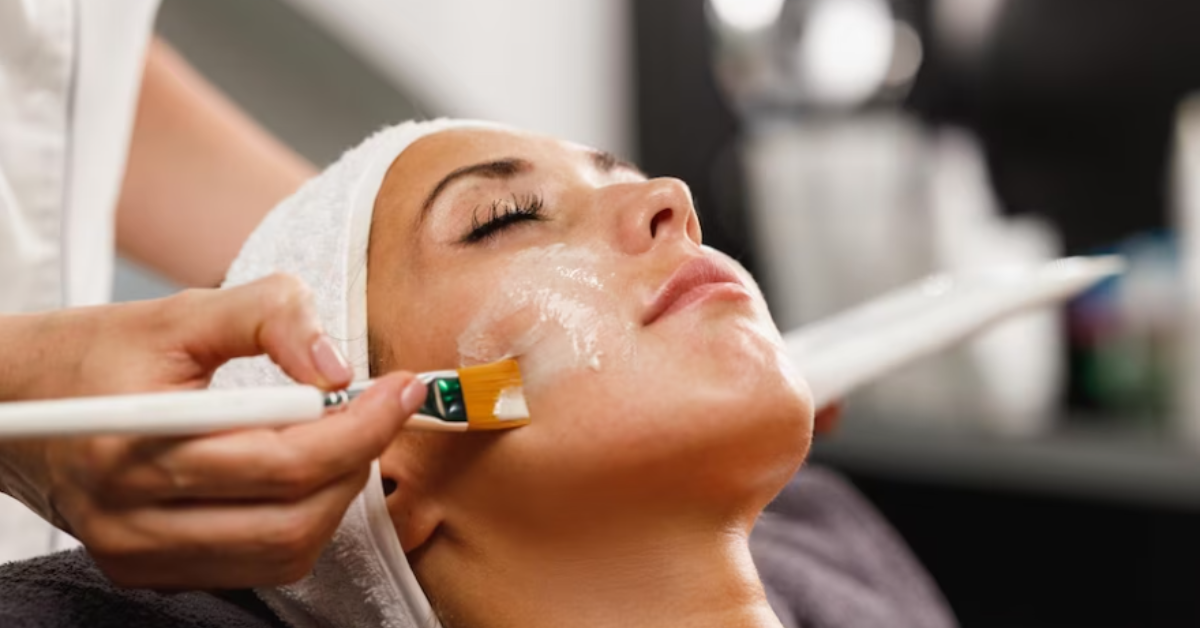
A chemical peel is a non-surgical exfoliation procedure where a solution—usually containing acids like alpha hydroxy acids (AHAs), beta hydroxy acids (BHAs), trichloroacetic acid (TCA), or phenol—is carefully applied to the skin. This causes the outermost layers to slough off, revealing fresher, smoother, and often more even-toned skin beneath. The depth and strength of the peel are matched to your skin goals and skin type.
Types and Variations of Chemical Peels
- Superficial Peels (Light): Use gentle acids like glycolic or lactic. Ideal for brightening and smoothing texture with zero downtime. Safe for all skin tones with proper professional selection.
- Medium Peels: Target moderate pigmentation, fine lines, or persistent acne. Penetrate deeper—usually require several days of visible peeling and recovery.
- Deep Peels: Powerful, longer recovery (up to weeks). Not usually recommended for darker skin types due to greater risks of pigment alteration.
- Customized Blends: Modern peels can be tailored for unique concerns, layering different acids or combining with boosters for safe, gradual improvement.
| Treatment | Depth/Intensity | Downtime | Main Goals | # Sessions |
|---|---|---|---|---|
| Light Chemical Peel | Superficial | None or mild (1–2 days) | Dullness, texture | 3–6 |
| Medium Chemical Peel | Mid-dermis | Moderate (5–7 days) | Pigmentation, mild scarring | 1–3 |
| Microneedling | Controlled injury (no “peeling”) | 2–5 days redness | Scars, texture | 3–6 |
| PRP Facial | Gentle-moderate | 1–3 days | Firmness, glow | 3+ |
| Microdermabrasion | Superficial | Little or no | Texture, clogged pores | 4–8 |
For a deeper dive on peel types and ingredients, see this detailed breakdown of peel options here.
Benefits, Limitations, and Setting Realistic Expectations
Benefits of a Properly Performed Chemical Peel
- Smoother, softer skin texture
- Brighter, more even complexion
- Reduction in the look of age spots and sun damage
- Less visible fine lines (especially with regular, lower-strength treatments)
- Improved acne control and faster fading of dark marks
What Chemical Peels Cannot Do (and When to Consider Other Options)
- Erase deep wrinkles or sagging skin (may require alternate treatments)
- Remove very deep scars or birthmarks
- Replace daily skin-care or sun protection
- Guarantee instant “perfect” skin—results are gradual, vary by individual, and require consistency
For those seeking non-surgical skin tightening, alternatives can be explored in our comprehensive skin treatment guide.
How Many Sessions Are Needed and When Will Results Show?
Most clients require a series of 3–6 light to medium peels, spaced 3–4 weeks apart. With a single light peel, subtle improvements may be visible in 5–10 days. Medium peels usually yield noticeable changes within 1–2 weeks after full recovery. Maintenance treatments every few months help prolong results.
- Tip: Realistic expectations are key. Factors like age, initial skin condition, and underlying health all influence results.
Risks, Safety, and Who Should Avoid Chemical Peels
Common, Mild Side Effects vs. Warning Signs
- Temporary redness, stinging, or tightness (normal)
- Mild flaking or peeling skin over several days (expected)
- Dryness, mild swelling, or slight color change (temporary)
If you notice unusual blistering, intense pain, infection, or lasting pigmentation changes, contact your provider promptly.
Contraindications and When to Wait
- Active, severe acne breakout or infection
- Recent isotretinoin (Accutane) usage
- Pregnancy or breastfeeding (check with your provider)
- Allergies to peel ingredients
- History of keloid scarring or poor wound healing
Why Choosing a Skilled Provider Matters
Appropriate peel selection, careful application, and aftercare are crucial—especially for medium to deeper peels or for darker skin tones. Poor technique can increase risk of hyperpigmentation, scarring, or uneven results. Seek licensed professionals with experience in treating all skin colors and types, such as those at Elite Chicago Facials.
For more on candidate suitability, visit our dedicated checklist for chemical peel candidates.
Discussion of safe protocols can also be found in this guideline for safe usage in aesthetic medicine.
Preparation and Aftercare: Getting the Most From Your Peel
How to Prepare Before Your Appointment
- Stop using retinol, exfoliants, AHAs/BHAs, or waxing at least 5–7 days before
- Avoid sun exposure and self-tanners for 1–2 weeks
- Alert your provider to any new medications or health changes
- Come with a clean face (no makeup, lotions, or SPF on the day)
- Follow any customized guidance from your esthetician
Immediate Aftercare: What to Avoid
- Do not pick at peeling or flaking skin
- Avoid sun, heat, hot showers, or vigorous exercise for several days
- Skip makeup and harsh products until fully healed
- Moisturize gently as instructed; use broad-spectrum SPF daily
Long-Term Habits for Lasting Results
- Maintain a gentle skincare routine with a non-stripping cleanser and hydrating products
- Consistent sunscreen use every morning
- Schedule maintenance treatments as recommended
- Consider integrating other gentle facials or microneedling for comprehensive rejuvenation (ask about microneedling add-ons)
Frequently Asked Questions: Chemical Peels for All Skin Tones
Are chemical peels safe for darker skin?
Yes, when performed by experienced providers who select appropriate peel types and strengths, chemical peels can be safe and effective for deep and medium skin tones. Superficial peels are generally lowest risk. Always ask your provider about their experience with your skin type.
Will I peel a lot after my treatment?
Peeling varies by peel depth: light peels may only cause mild flaking, while medium peels can result in a few days of visible shedding. Your professional should set expectations based on your plan.
Can chemical peels help with acne scars and dark spots?
Yes, many peels promote collage renewal and can fade post-acne marks or scars over a series of sessions. For deeper scarring, treatments like microneedling may be suggested as a complementary option.
What should I avoid before and after a peel?
Before: avoid exfoliants, waxing, and sun. After: avoid sun, heat, makeup, and picking at skin. Always follow your provider’s instructions.
How do peels differ from other treatments like microdermabrasion or microneedling?
Peels use chemical solutions to exfoliate; microdermabrasion is a mechanical process; microneedling uses tiny needles to stimulate collagen. Each has different strengths, downtime, and results. The right choice depends on your skin and goals.
How often should I get a chemical peel?
Light peels can be repeated every 3–4 weeks. Medium peels are spaced further apart, often once every 2–3 months. Frequency is personalized based on skin tolerance and response.
Is there anything to help further even my skin tone besides peels?
Yes—combining gentle facials, consistent use of sunscreen, targeted serums, and professional treatments like microneedling or nano-needling offer gradual, safe improvement for all complexions.
Do I need to see a doctor for a chemical peel?
Superficial and some medium peels can be performed safely by licensed estheticians. Deeper or more advanced peels may require physician oversight. Always consult a professional for advice based on your skin and goals.
Where can I learn more about the right peel for me?
You can read our new client’s guide to chemical peels or schedule a personal consultation.
Can chemical peels be combined with other facial treatments?
Yes, but always disclose all treatments you’re receiving to your provider. Peels are sometimes paired with dermaplaning, microdermabrasion, or microneedling for enhanced results—when done safely and properly timed.
Wrap-Up: Making Safe, Informed Choices for Your Skin
Chemical peels can be a safe, transformative option for people of all skin tones when performed professionally. They reveal a smoother, brighter canvas—but require education, preparation, and follow-through with aftercare. Your journey to radiant skin with Elite Chicago Facials begins with a personalized consultation, honest communication, and a focus on natural, healthy results. Ready to discuss your options? Plan a customized chemical peel consultation today to find out what’s best for your unique complexion and goals.
About Elite Chicago Facials
Elite Chicago Facials is a professional spa and aesthetic center serving Chicago, Illinois and surrounding areas. Our team consists of licensed, trained professionals offering facials, advanced skin rejuvenation, body contouring, chemical peels, microneedling, PRP therapies, injectables and wellness services. At Elite Chicago Facials, every treatment is customized to your unique skin, goals, and comfort. We combine medical-grade protocols, the latest technology, and a caring, realistic approach to help you achieve natural-looking confidence—always in a safe, clean environment.
best facial chicago, chemical exfoliation facial, chemical peels, chemical peel in Franklin Park, chemical peels Lake Bluff, best chemical peel Schaumburg, chemical peels Winnetka, best chemical peel Lockport IL, gentle chemical peel Palatine IL, Mokena chemical peel