
Recommended Products After a Peel: Complete Post-Treatment Guide
When you invest in a chemical peel or advanced facial treatment, understanding recommended products after a peel is essential to protect your results and encourage healthy, radiant skin. Whether you’re dealing with fine lines, acne scars, rough texture, or pigmentation concerns, making informed choices about your aftercare can make the difference between a swift recovery with glowing results or unnecessary irritation. Many adults today seek out facial peels for rejuvenation, but the best outcomes hinge on what you do next. In this guide, you’ll find a clear roadmap to post-peel product selection, tips to soothe and protect your skin, answers to common questions, and the latest safety advice from industry professionals, including Elite Chicago Facials.
Why Post-Peel Care Matters for Skin Health and Confidence
How Skin, Confidence, and Self-Care Are Connected
Healthy skin is more than appearance—it’s about feeling confident and taking proactive care of yourself. After a peel, your skin can be more sensitive and vulnerable. This makes proper aftercare a vital act of self-care that supports your natural healing and revitalization. Many people in Chicago, Illinois, look to chemical peels and skin treatments as part of a holistic approach to well-being, seeking not just improvement in their skin, but also peace of mind and comfort in their own appearance.
Common Concerns That Lead People to Facial Peels
- Acne and acne scars
- Uneven skin tone or hyperpigmentation
- Rough texture and enlarged pores
- Fine lines and age-related changes
- Sun damage and dullness
Addressing these issues is about more than aesthetics; it’s taking charge of your health and enjoying daily confidence boosts. To explore ingredients that power radiant results, check the components behind a facial glow.
Understanding Chemical Peels: How They Work and Why Aftercare Is Critical
What Happens to Your Skin During a Chemical Peel
Chemical peels use a safe, controlled application of acids to exfoliate the upper skin layers. This process reveals fresher, smoother, more even skin underneath by promoting cell turnover. The depth of the peel (superficial, medium, deep) determines how much skin is removed and how long your recovery will take. During this period, your skin’s protective barrier is temporarily weakened, making it more susceptible to dryness, irritation, sunburn, and infection.
Types of Chemical Peels: Which One Did You Have?
- Superficial peels: Use mild acids for a quick refresh; usually minimal redness and gentle flaking.
- Medium peels: Use trichloroacetic acid (TCA) for more intensive resurfacing; moderate downtime with peeling and sensitivity.
- Deep peels: Often performed with phenol; most dramatic results but longest recovery.
It’s important that your aftercare matches your peel’s depth. A professional will guide you in-person, but this guide can help you prepare questions to ask.
Comparing Chemical Peel Options
| Type | Downtime | Common Goals | Sensations | Sessions Needed |
|---|---|---|---|---|
| Superficial (Light) | 1–7 days | Glow, mild pigmentation, texture | Tingling, mild redness | 3–6, spaced 3–4 weeks |
| Medium Depth | 7–14 days | Acne scars, deeper spots, fine lines | Redness, peeling, mild swelling | 1–3, spaced 6–12 weeks |
| Deep Peel | 2–3 weeks+ | Severe sun damage, wrinkles | Significant redness, swelling, crusting | Usually one with long results |
Benefits, Limitations, and Setting Realistic Expectations
Key Benefits When Following a Skilled Plan
- Smoother, more even skin tone
- Reduction in acne outbreaks and scars
- Brighter, revitalized complexion
- Improvement in fine lines and texture
These benefits rely on diligent post-peel care and can develop gradually as your skin renews itself in the weeks following treatment. Learn more about maximizing results in how antioxidants promote radiant skin.
What Peels Cannot Do
- Completely erase deep wrinkles or sagging (non-surgical tightening options may be better for significant firmness issues)
- Replace professional skincare for underlying medical concerns
- Offer instant, “perfect” skin—improvement is gradual and varies
How Many Sessions Are Typically Needed?
Your provider may recommend a series for mild peels, or a single session for deeper ones. Consistency, realistic timelines, and ongoing home care are key to improvement. Always discuss your goals during consultation. For those in Chicago, Illinois seeking monthly glow facials or peel series, care plans can be fully customized.
Risks, Side Effects, and Who Should Avoid Chemical Peels
Temporary and Mild Reactions
- Redness and tightness (like a mild sunburn)
- Peeling and flaking (typically 3–7 days after light peels)
- Temporary dryness or sensitivity
Most reactions resolve on their own and can be managed with gentle, hydrating products.
When to Seek Medical Attention
- Severe swelling or pain
- Blistering or oozing
- Persistent rash or infection signs (pus, fever, severe redness)
Who Should Avoid Peels or Wait
- Pregnant or breastfeeding individuals (certain acids may be unsafe – see this guidance on skincare and pregnancy safety)
- Recent isotretinoin (Accutane) use within 6–12 months
- Active eczema, cold sores, or skin infection
- Very sensitive/reactive skin (consult with an experienced provider before proceeding)
Choosing a practice with licensed, trained professionals is critical. To understand how spa care can be safe and gentle, see this sensitive skin post-peel care guide.
Preparation and Aftercare: Your Essential Approach
How to Prepare Before a Peel
- Avoid waxing, retinoids, harsh scrubs, or exfoliants for 5–7 days
- Discontinue new, untested products
- Inform your provider of recent breakouts or any new medications
- Start moisturizing twice daily if your skin is typically dry
Arrive with a clean face and ready to relax! Learn further steps on pre-peel skin preparation.
Immediate Aftercare: The First 3–7 Days
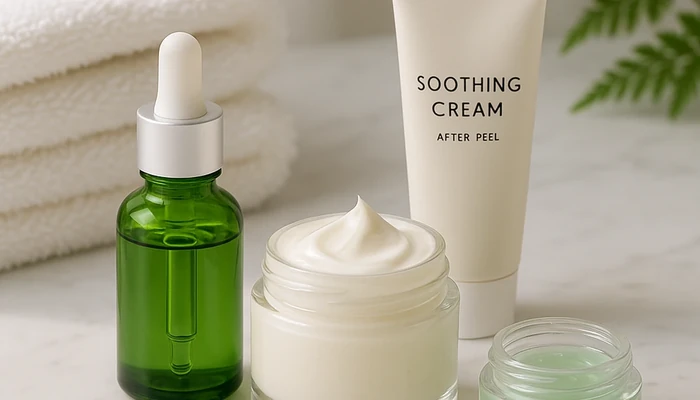
- Use a gentle cleanser: Avoid perfumes or exfoliants. Creamy, unscented formulas are best.
- Hydrating serums: Look for products with hyaluronic acid or panthenol.
- Moisturize regularly: Barrier-protective creams with ceramides or squalane help soothe.
- Daily sunscreen: Broad-spectrum SPF 30+ is non-negotiable.
- Avoid hot water, steamy baths, and sweating: No saunas or heavy exercise for a week.
- No picking, peeling, or scrubbing—let skin flake off naturally.
Find a more detailed breakdown in this sensitive post-peel care guide.
Long-Term Aftercare Habits
- Continue gentle cleansing and moisturizing
- Reintroduce retinoids, acids, and exfoliants only once cleared by your professional (usually after 7–14 days for light peels)
- Stay on top of daily SPF, even on cloudy days
- Prioritize hydration and a balanced diet (antioxidants, omegas, vitamins)
Discover how to optimize your post-facial skincare lineup for continued improvement.
Choosing and Using Products After a Peel: Detailed Guide
1. Gentle Cleansers
Why it matters: Your skin’s barrier is vulnerable. Use only fragrance-free, creamy, non-foaming cleansers. Skip mechanical brushes or scrubs entirely. Washing twice a day is sufficient.
2. Hydrating Serums
Look for serums packed with hyaluronic acid, glycerin, or panthenol. Avoid anything with alcohol, vitamin C, or exfoliating acids until your provider gives the all-clear.
3. Moisturizers
Choose thick, non-comedogenic creams rich in ceramides or squalane. Ointments like petrolatum can be spot-applied to dry patches if needed.
4. Sun Protection (SPF)
Select broad-spectrum, mineral-based SPF 30+ that contains zinc oxide or titanium dioxide. Apply generously every morning, reapplying every 2–3 hours when outdoors.
5. Ingredients and Products to Avoid
- Retinoids and prescription topicals (unless cleared by your provider)
- Physical exfoliants—scrubs, loofahs, rough towels
- Alcohol, fragrance, or essential oil-heavy formulas
- Any new product not patch-tested before
Consult your esthetician for fully personalized product picks. Learn about post-facial routines in the do’s and don’ts after a glow facial.
Frequently Asked Questions (FAQ): Peels, Recovery, and Skin Safety
What should I expect in the first week after a peel?
Mild redness, tightness, and flaking are normal for superficial and medium peels. Serious swelling or blisters are rare and require prompt medical attention. Sticking to gentle skincare and sunscreen will help reduce discomfort during the recovery phase.
When can I resume my regular skincare products?
Usually after 7–14 days, once your skin stops peeling and feels comfortable again. Wait longer for strong actives or acid-based products. Always ask your provider for the best timeline for your treatment depth.
What if my skin burns or stings after using a product post-peel?
Stop all non-essential products and return to just gentle cleanser, moisturizer, and SPF. If burning persists, contact your provider. If you have a history of allergies, patch-test new items carefully on a small area.
Can I wear makeup after a peel?
It’s best to wait until all active flaking and sensitivity have subsided (typically 5–7 days minimum for light peels). Choose mineral or non-irritating formulas initially. Never apply makeup to broken or peeling skin.
Are chemical peels safe for sensitive skin?
With professional evaluation and proper precautions, yes, certain peels can be safe. Lighter peels and gentle aftercare products lower the risk of irritation. Read our post-peel guide for sensitive skin for more tips.
How soon can I exercise or return to outdoor activities?
Avoid intense exercise, heat, and sun exposure for at least a week. Perspiration, UV rays, and heat can worsen irritation or pigmentation. Once your skin has calmed and your expert clears you, gradually return to regular activities, always with sunscreen applied.
How does aftercare differ between peels and microneedling?
While both require gentle skin routines and sunscreen, microneedling may call for added anti-inflammatory soothing products. For a breakdown, see this article explaining nano-needling vs microneedling.
Can I combine peels with other treatments?
Yes—many people alternate between facials, peels, and other non-surgical treatments for best results. However, you must follow professional advice on timing and layering to prevent sensitivity and maximize gains.
What mistakes should I avoid after a peel?
- Picking or peeling skin flakes
- Using harsh active products too soon
- Skipping moisturizer or sun protection
- Delaying medical care for unusual reactions
How do I know if a chemical peel is right for me?
The best candidates have realistic expectations, understand the process, and follow pre/post-care instructions closely. Always consult a licensed, experienced provider—like the specialists at Elite Chicago Facials—for a personalized assessment.
Wrap-Up: Take Charge of Your Glow
With the right knowledge and products, post-peel recovery is a pathway to healthier, brighter skin. The regimen may seem simple—gentle cleanser, serum, moisturizer, and SPF—but these steps make all the difference. Your professional at Elite Chicago Facials can help you build a personalized plan based on your unique skin and goals.
Ready to refresh your regimen or start your next facial journey? Schedule a glow-boosting peel or customized facial for one-on-one expert guidance.
About Elite Chicago Facials
Elite Chicago Facials is a professional spa and aesthetic practice dedicated to helping clients in Chicago, Illinois, and nearby areas enhance their skin health and confidence with customized facials, skin rejuvenation therapies, peels, microneedling, PRP, body contouring, injectables, and wellness-focused treatments. Our licensed professionals craft treatment plans tailored to your skin type, goals, and comfort, using medical-grade products and leading safety protocols for consistently natural, glowing results.
hydrating facial chicago, glow facials, radiant glow facial chicago, glow facial Deerfield IL, brightening facial Maywood, best glow facial in Gilberts, radiant glow facial Westmont, Northfield glow facial, radiant glow facial Hanover Park IL, glow facial Spring Grove IL